
Natural healing to support tissue repair and reduce pain.
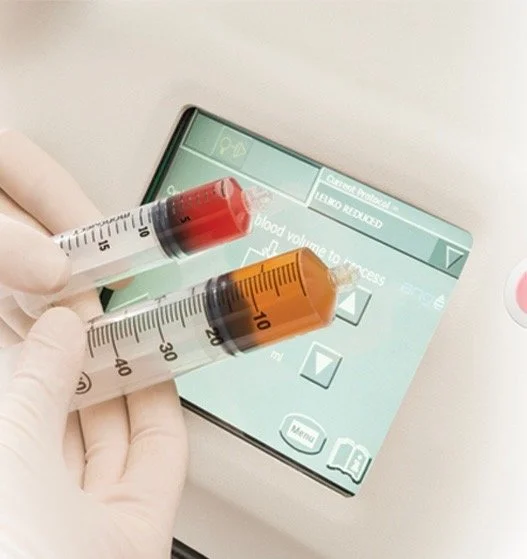
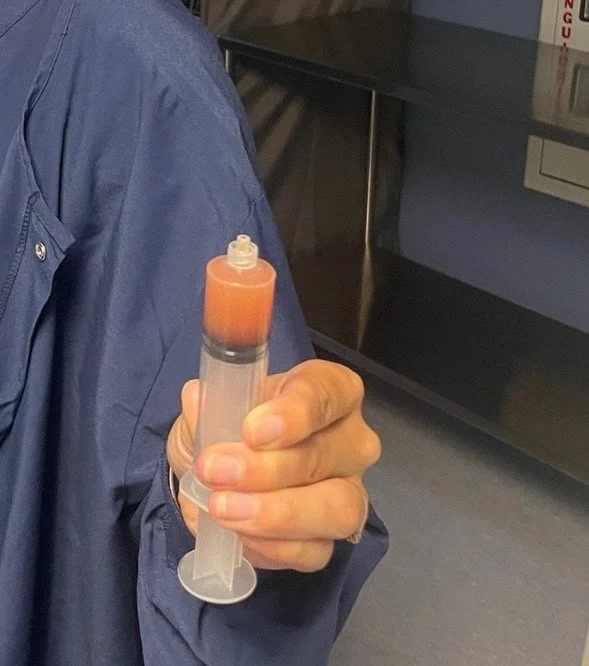
Platelet-rich plasma, or PRP, uses a concentrated portion of your own blood to help stimulate healing in injured or irritated tissue. In the foot and ankle, PRP may be considered for conditions such as plantar fasciitis, Achilles tendinopathy, chronic ankle sprains, peroneal tendon pain, and select arthritis or ligament injuries.
PRP is designed to reduce pain, support tissue repair, and improve function when rest, bracing, and other conservative treatments have not provided enough relief.
How Does PRP Work?
Your visit includes a focused exam and review of imaging to help confirm whether you are a good candidate for PRP. If treatment is appropriate, we draw a small sample of blood, process it in a centrifuge to concentrate the platelets, and inject the PRP into the targeted area, often with ultrasound guidance for accuracy.
Most patients notice soreness for a few days after treatment, followed by gradual improvement over several weeks as the healing process develops. You will receive clear activity guidelines, a short period of relative rest, and a structured return to stretching, strengthening, and gait training.
Recovery + Planning
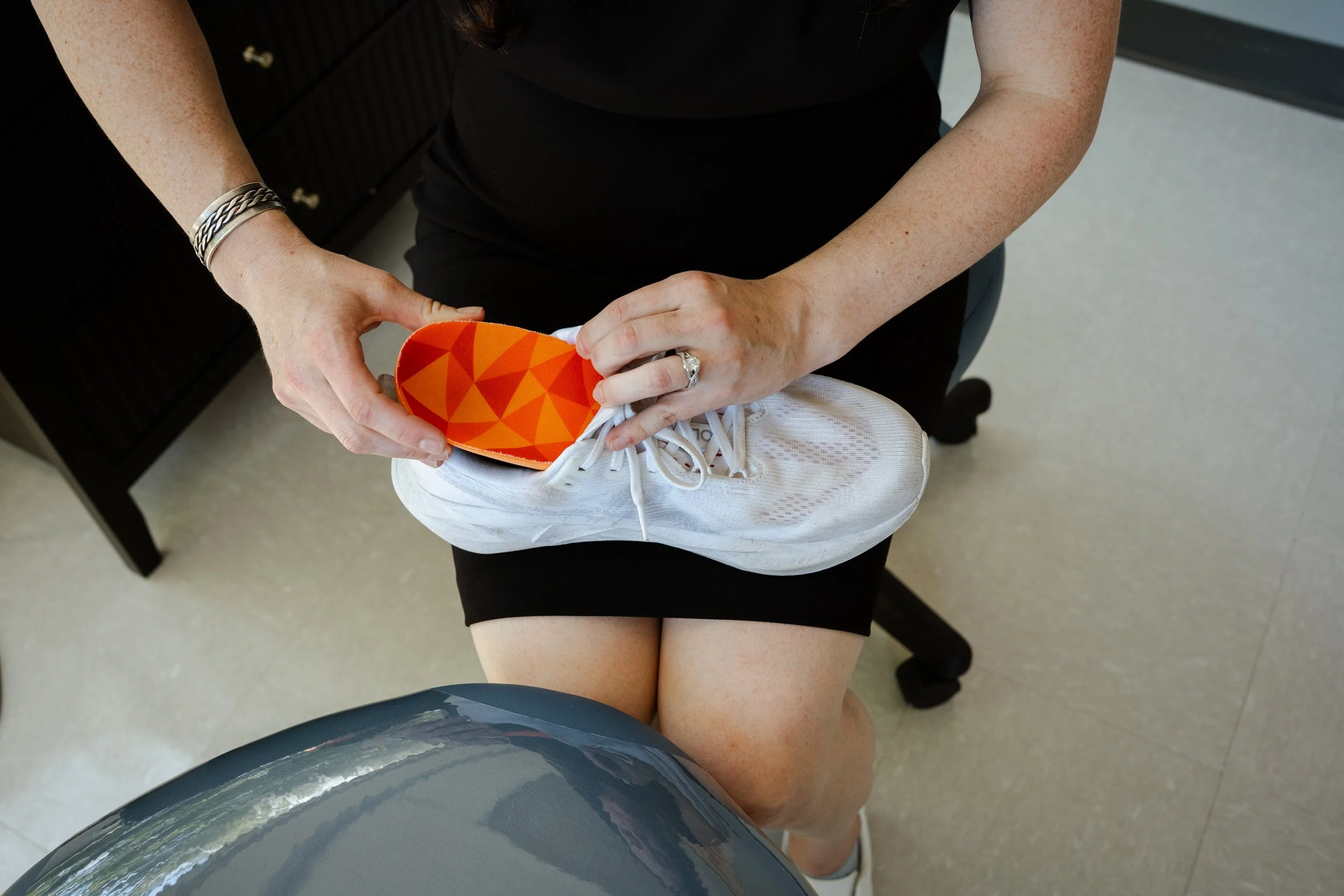
Many treatment plans also include footwear changes or custom orthotics to help protect the healing tissue and improve long-term support. We also review medications and health conditions carefully, because anti-inflammatory medicines may be limited around the time of treatment.
Some conditions may require more than one session, and results can vary depending on the diagnosis, severity, and overall health of the tissue involved. If PRP is not the best option, we will discuss alternatives such as shockwave therapy, targeted injections, or surgical treatment when appropriate.
Why Choose PRP
PRP is appealing because it uses your body’s own healing cells and growth factors to support recovery. It may be a good option for patients who want a non-surgical treatment and have not responded fully to standard conservative care.

Interested in seeing if PRP is right for you?
