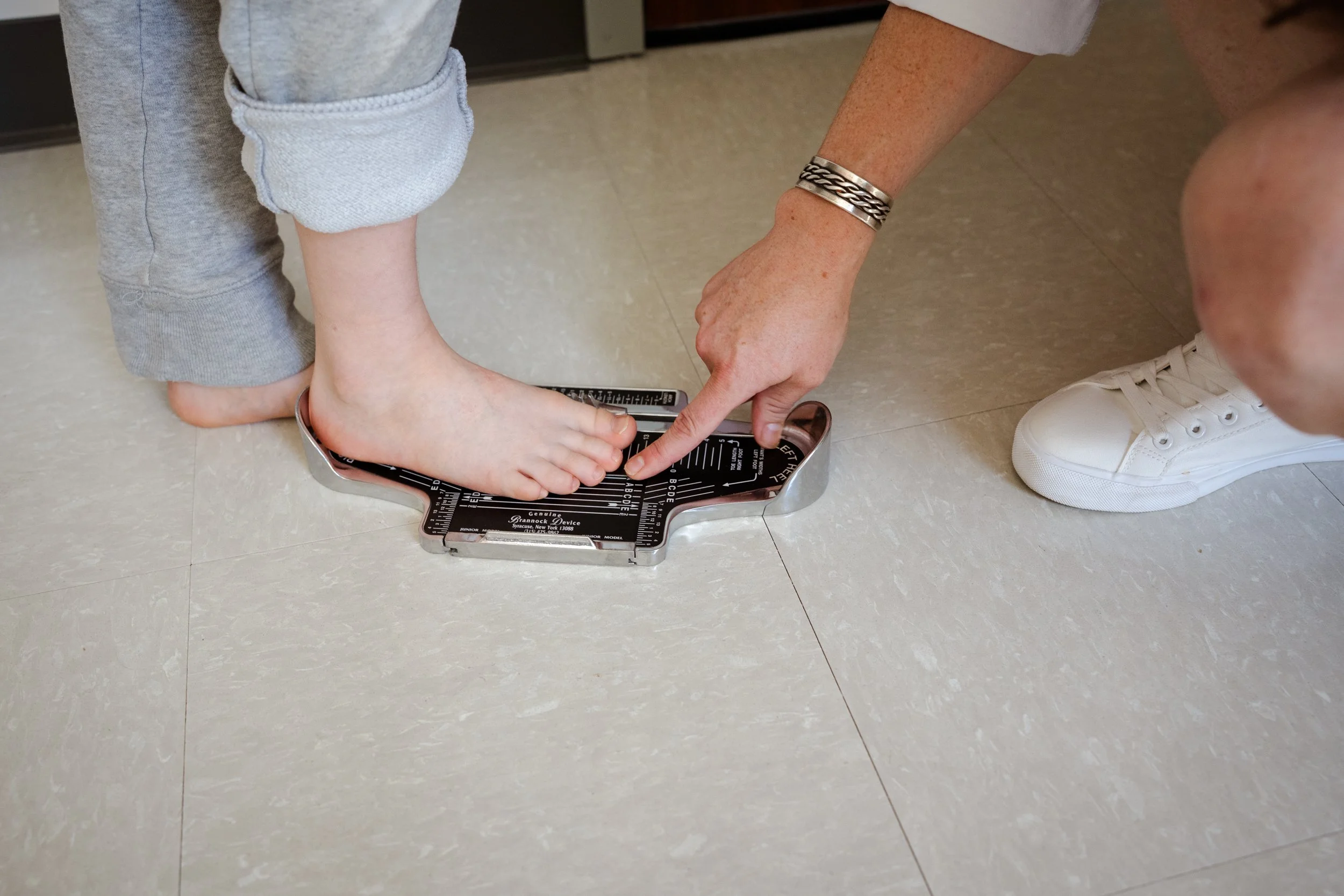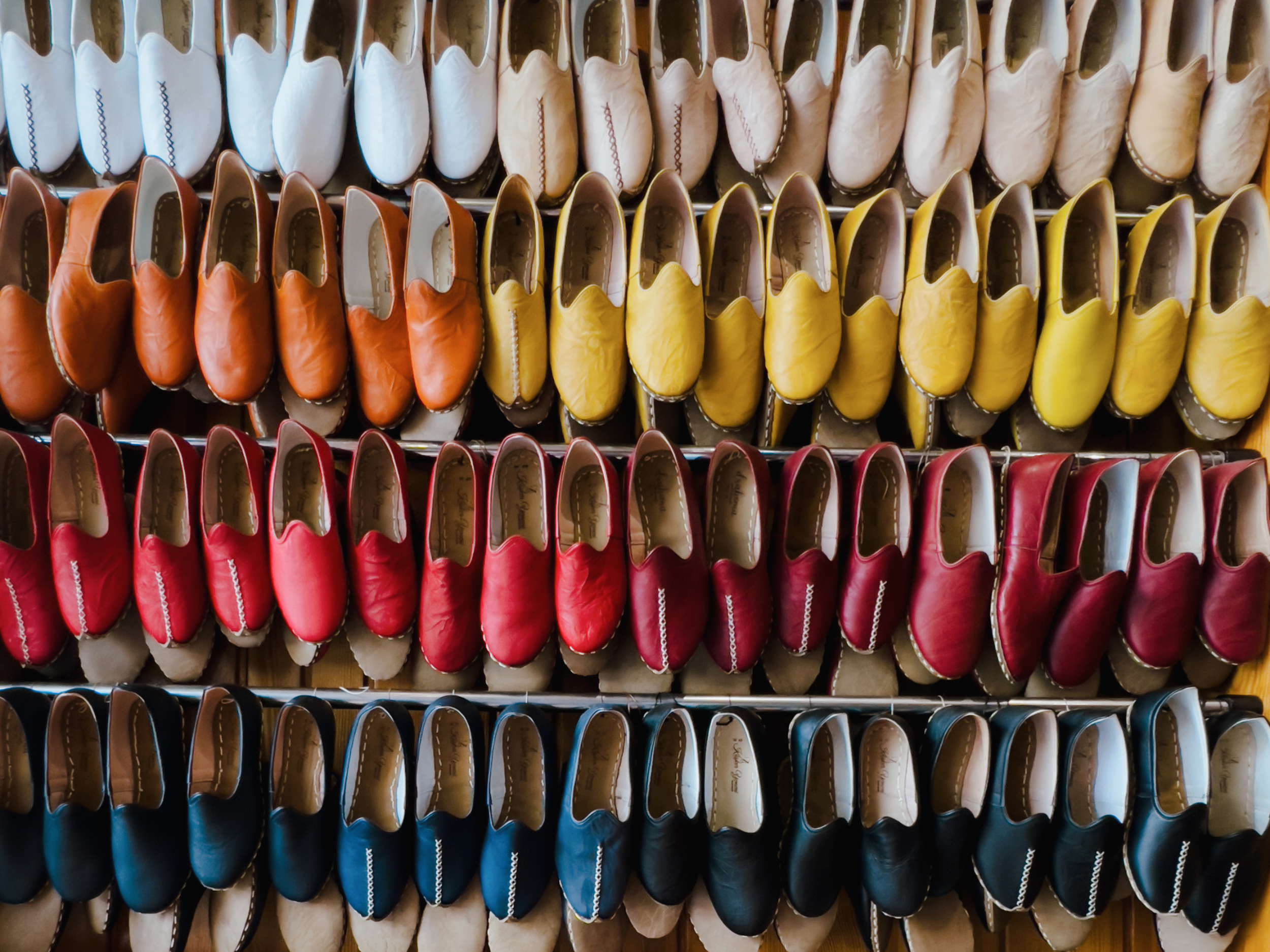
As a podiatrist, I appreciate a sharp look, but dress shoes shouldn't sacrifice foot health for style. Poorly fitting dress shoes can lead to bunions, hammertoes, and chronic heel pain over time. Here are my tips for men and women to stay polished and pain-free.
Dress Shoes for Women
High Heels + Pumps
Common Issue
Narrow toe boxes squeeze toes together, causing bunions and neuromas; elevated heels overload the forefoot ball, leading to metatarsalgia.
Helpful Tip
Choose heels under 2 inches with a wide toe box and cushioned insole. Skip pointy styles, opt for almond-shaped toes that let toes splay naturally.
Wedges + Block Heels
Common Issue
Poor arch support and rigid platforms strain the plantar fascia; heel height still shifts weight forward.
Helpful Tip
Look for built-in arch support and rocker-bottom soles for a smoother gait. Leather linings prevent blisters; add gel metatarsal pads for extra forefoot relief.
Flats + Ballet Shoes
Common Issue
Zero arch support + thin soles = plantar fasciitis and fatigue; slippery soles increase fall risk.
Helpful Tip
Select flats with firm heel counters, slight heel-to-toe drop (5-10mm), and padded insoles. Test Dr. Stark's 1-2-3 Shoe Test!
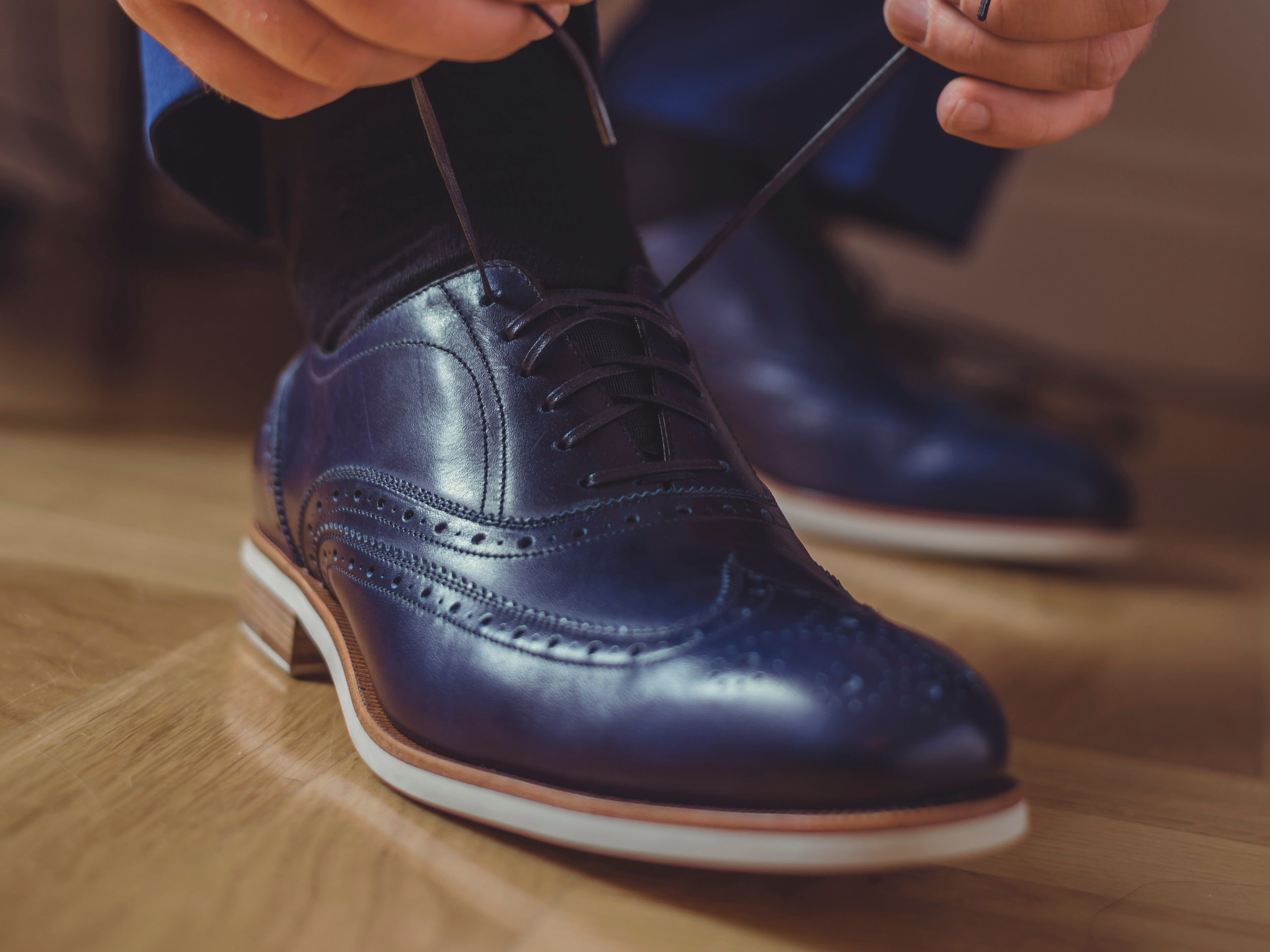
Dress Shoes for Men
Oxfords + Derbys
Common Issue
Stiff leather lacks flexibility, causing blisters and toe crunching; narrow lasts aggravate neuromas in wider feet.
Helpful Tip
Choose Derbys (open lacing) over Oxfords for easier fit. Leather-lined with cedar trees maintains shape; prioritize thumb-width toe room and shock-absorbing insoles.
Loafers + Moccasins
Common Issue
Slip-on design offers no heel lockdown, leading to instability and Achilles strain; thin soles provide zero cushioning.
Helpful Tip
Select loafers with heel pads/quarter grips and flexible forefoot leather. Penny loafers with arch cookies work best. PLEASE avoid completely flat driving mocs for all-day wear!
Chelsea Boots + Chukkas
Common Issue
Elastic side panels stretch out, reducing support; ankle height without cushioning fatigues high arches.
Helpful Tip
Pick leather pull-tabs with firm midsoles and 1/2-inch heels. Waterproofing prevents winter slips; orthotic-friendly designs accommodate custom inserts.