Plantar Fasciitis
The Most Common Cause of Heel Pain
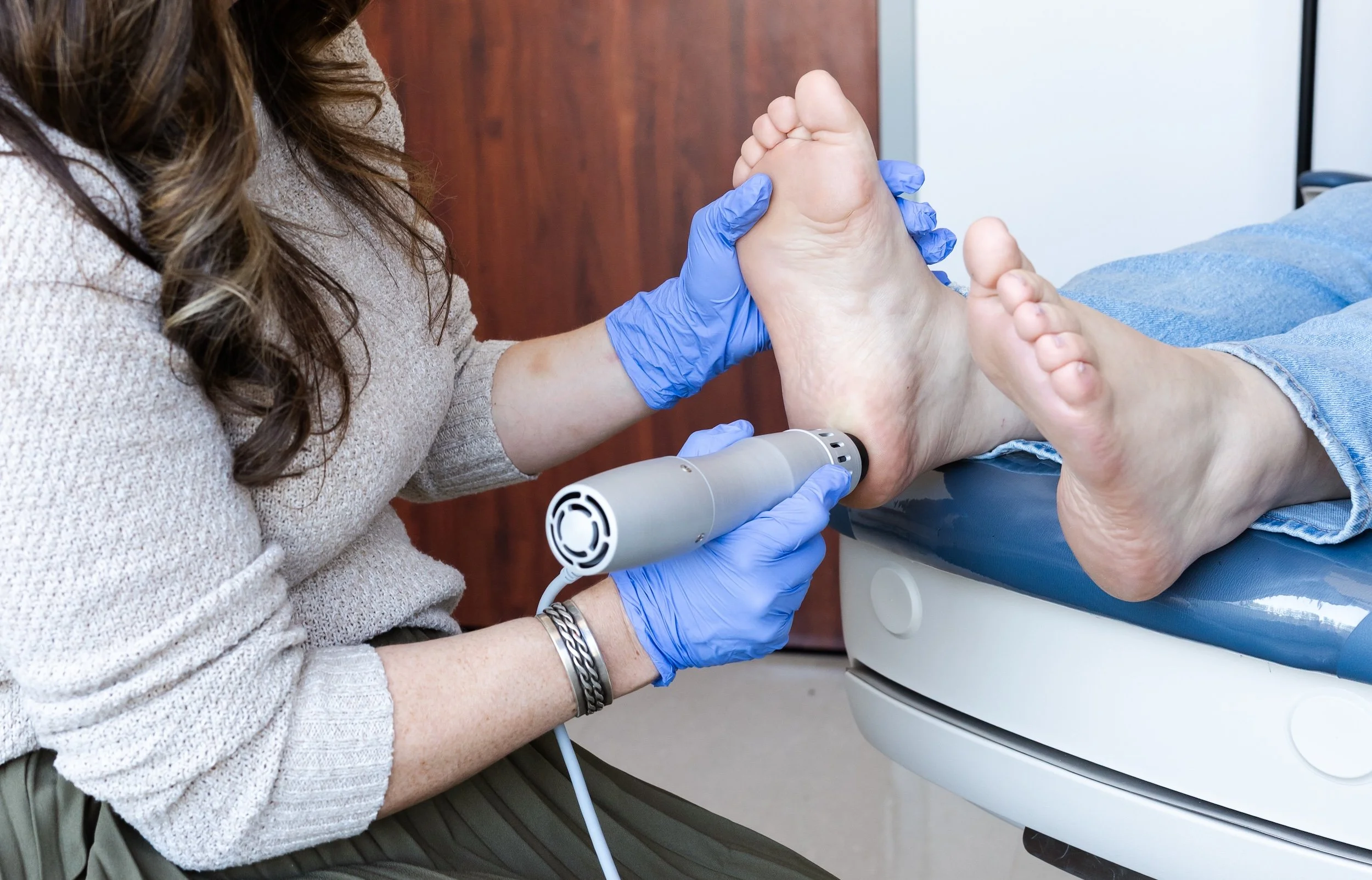
Plantar fasciitis occurs when the thick band of tissue on the bottom of your foot, called the plantar fascia, becomes irritated or inflamed.
The plantar fascia runs from the heel bone to the toes, helping support the arch of your foot and absorb shock during walking. When this structure becomes strained, heel pain can develop.
SYMPTOMS
Common Symptoms of Plantar Fasciitis
The most classic symptom is sharp heel pain with the first steps in the morning.
Patients commonly notice:
Sharp pain when getting out of bed
Pain after standing up following long periods of sitting
Symptoms that improve with movement
Pain that can become a dull ache later in the day if the condition becomes chronic
As the plantar fascia becomes irritated, small areas of micro-tearing can occur, leading to inflammation and discomfort.
DIAGNOSIS
Diagnosing Plantar Fasciitis
Diagnosis typically includes:
A detailed physical examination
Weight-bearing X-rays
X-rays help rule out other causes of heel pain, while ultrasound can show thickening or inflammation of the plantar fascia.
TREATMENT
Plantar Fasciitis
Conservative Treatment
The good news is that plantar fasciitis is highly treatable. Treatment usually focuses on reducing strain on the plantar fascia and allowing it to heal.
Common treatments include:
Stretching exercises for the plantar fascia and calf muscles
Custom or over-the-counter orthotic inserts
Ice therapy
Rest and activity modification
Elevation when inflammation is present
Stretching the plantar fascia and releasing small areas of tension within the tissue can significantly improve symptoms.
Additional Treatment Options
If symptoms persist, additional treatments may include:
Short courses of oral steroids
These treatments aim to reduce inflammation and stimulate healing within the plantar fascia.
Is Surgery Needed?
Approximately 95% of patients improve with conservative treatment. Only a small percentage require surgery.
When surgery is necessary, options may include:
Minimally invasive plantar fascia release
Traditional open surgical correction
The choice of procedure depends on the severity of symptoms and your lifestyle goals. Treatment decisions are made together so that the plan best fits your needs.
Most Heel Pain Can Be Treated Without Surgery
Plantar fasciitis can be frustrating, but with the right diagnosis and treatment plan, most patients recover successfully. Early treatment can prevent the condition from becoming chronic.
If you are experiencing persistent heel pain, a proper evaluation can help determine the cause and guide the best treatment approach.
“
I have never met a more thorough podiatrist in my entire life. She explained to me about how and why I have plantar fasciitis in a way that I could easily understand and digest the information. We came up with a treatment plan and I decided to do the injections to help with the inflammation. Both Ben and Dr Stark were extremely supportive and helped me through the pain of the injection. After everything was done- Dr Stark taught me several exercises and just seemed very engaged with me as a patient. The entire appointment I felt heard and cared for. Thank you everyone so much for making this scary experience so pleasant and comfortable. I will recommend Dr. Stark and her amazing team to everyone!
— JESSICA
“
Great experience! Really hoping I’ll finally see some relief from my plantar fasciitis.
Highly recommend!
— STACEY
Scientific Research
This study evaluates extracorporeal shock wave therapy (ESWT) for chronic plantar fasciitis in a mostly active-duty military group. Researchers reviewed 82 patients (115 heels), with 76 participating in follow-up interviews after an average of 42 months. Pain scores dropped significantly from a preoperative mean of 7.8 to 2.5 at follow-up (p < 0.0001), with 98% needing just one ESWT session at 24 kV for 2000 shocks.
PRP vs Cortisone for Plantar Fasciitis and Why One Offers Longer-Lasting Relief
Clinical trials show PRP achieving success rates of 80-93% in pain relief and functional improvement, with VAS scores dropping significantly (e.g., to 1.97 at 6 months) and better long-term outcomes than steroids. A Nepal RCT of 60 patients found PRP superior in pain reduction, AOFAS scores (86 vs. 81), and fascia thickness reduction. Studies confirm PRP's benefits persist at 3-12 months, often with one ultrasound-guided session, though some need repeats.
Outcomes of Endoscopic Treatment for Plantar Fasciitis: A Systematic Review
This article analyzes outcomes of endoscopic plantar fascia release (EPFR) for recalcitrant plantar fasciitis across 26 studies involving 978 feet, with a weighted mean follow-up of 25.6 months. It reports significant improvements in clinical scores (e.g., AOFAS from ~55 to ~89), high patient satisfaction, and good mid- to long-term efficacy, though complications occurred in 8.9% of cases, primarily pain recurrence (4.2%).
Evaluating the Long-Term Effect of Shockwave Therapy in Treating Plantar Fasciitis
Long-term outcomes of extracorporeal shock wave therapy (ESWT) for chronic plantar fasciitis show sustained pain relief and functional improvements in multiple studies. Patients often report significant reductions in visual analog scale (VAS) pain scores, dropping to means around 1.2-2.5 years after treatment, with success rates of 63-87%
In the News