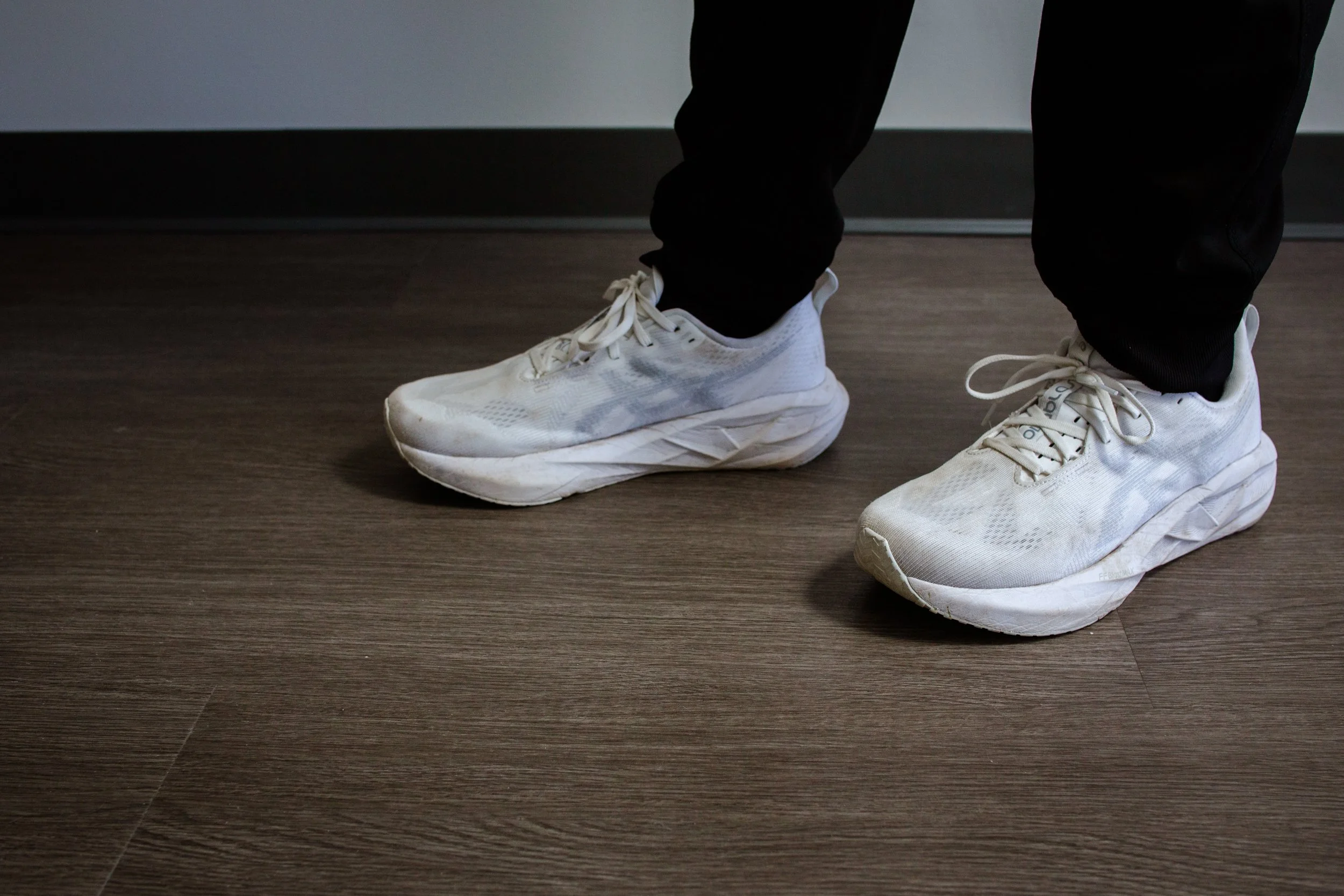
The right shoes can make a major difference in comfort, support, balance, and overall foot health. Whether you’re shopping for everyday walking shoes, work shoes, athletic footwear, or supportive sneakers, knowing what to look for can help prevent common problems like heel pain, arch strain, toe irritation, and foot fatigue. While every foot is different, there are a few simple tests anyone can use to identify a well-constructed, supportive shoe.
Buy Shoes for the Larger Foot
Most people naturally have one foot that is slightly larger. When selecting shoes, always fit the shoe to the larger foot. This ensures both feet have enough space to grow and move comfortably.
Check the Heel Support
One of the most important parts of a good shoe is the heel counter, which is the back portion of the shoe that supports the heel.
You can test this easily:
Press on both sides of the heel counter
The shoe should not collapse easily
A firm heel counter helps stabilize the foot during walking and running.

Wondering what the best shoes are for your favorite sport?
Check Toe Flexibility
The front of the shoe should bend where your toes naturally bend.
A good shoe should:
Bend at the ball of the foot
Not be overly stiff
Not collapse completely
Shoes that are too rigid can restrict natural movement, while shoes that are too flexible may not provide enough support.
Make Sure the Shoe Doesn’t Twist
Another quick test is to gently twist the shoe in the middle.
A supportive shoe should:
Not twist easily through the midfoot
Excessive twisting usually means the shoe lacks proper structure and support.
Dr. Stark's 1-2-3 Shoe Test
Step 1: Squeeze heel sides, must stay rigid, no collapse.
Step 2: Bend toe box, flexible but controlled, never floppy or rock-hard.
Step 3: Twist midfoot, zero torsion, like a solid platform.