Flat Feet
FALLEN ARCHES

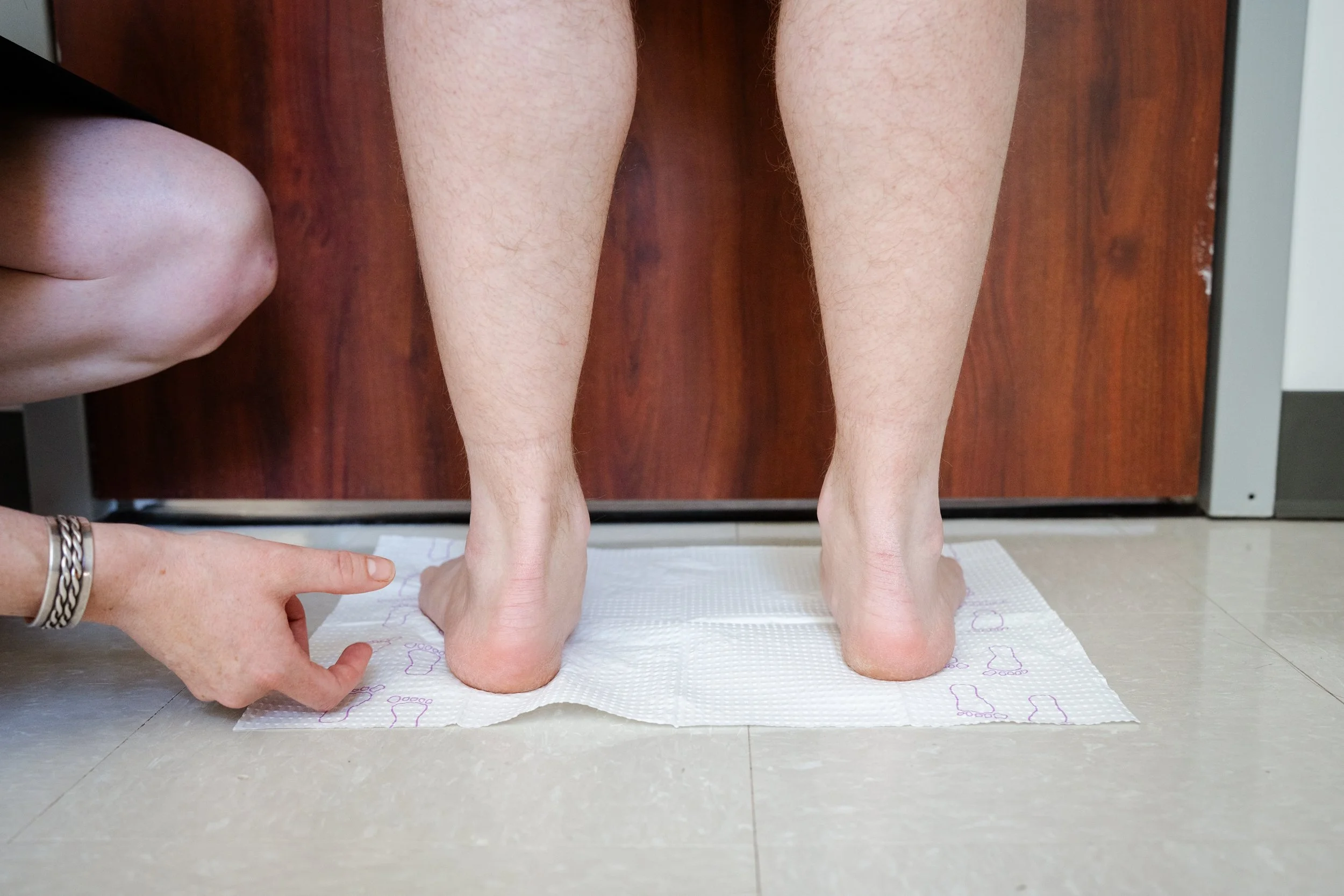
Flat feet, also known as fallen arches, occur when the arch of the foot collapses or does not develop fully. This causes the entire sole of the foot to come into contact with the ground when standing.
Flat feet can occur in both children and adults. Some people have flexible flat feet that do not cause symptoms, while others may develop foot pain, fatigue, or problems with walking and activity.
The arch of the foot plays an important role in absorbing shock and distributing weight during movement. When the arch is not functioning properly, additional strain can be placed on the feet, ankles, knees, lower legs, and even your back!
Flat Feet in Children
It’s common for infants and young children to appear flat-footed because the arches have not fully developed. In many cases, the arch forms naturally as a child grows. However, some children continue to have flat feet into adolescence. Most children with flat feet have flexible flatfoot, meaning an arch appears when they sit or stand on their toes.
Evaluation is recommended if a child experiences:
Foot or ankle pain
Frequent tripping or fatigue with activity
Difficulty keeping up with sports or physical activity
Uneven shoe wear
Flat Feet in Adults
Flat feet in adults may be present since childhood or develop later in life. In some cases, the arch gradually collapses over time due to tendon weakness, injury, arthritis, or aging. This is sometimes referred to as adult-acquired flatfoot.
Adults with flat feet may experience:
Pain along the arch or inside of the ankle
Swelling along the posterior tibial tendon
Foot fatigue with prolonged standing or walking
Difficulty with certain footwear
Over time, untreated flat feet can contribute to problems such as heel pain, tendinitis, and ankle instability.
DIAGNOSIS
Diagnosing Flat Feet
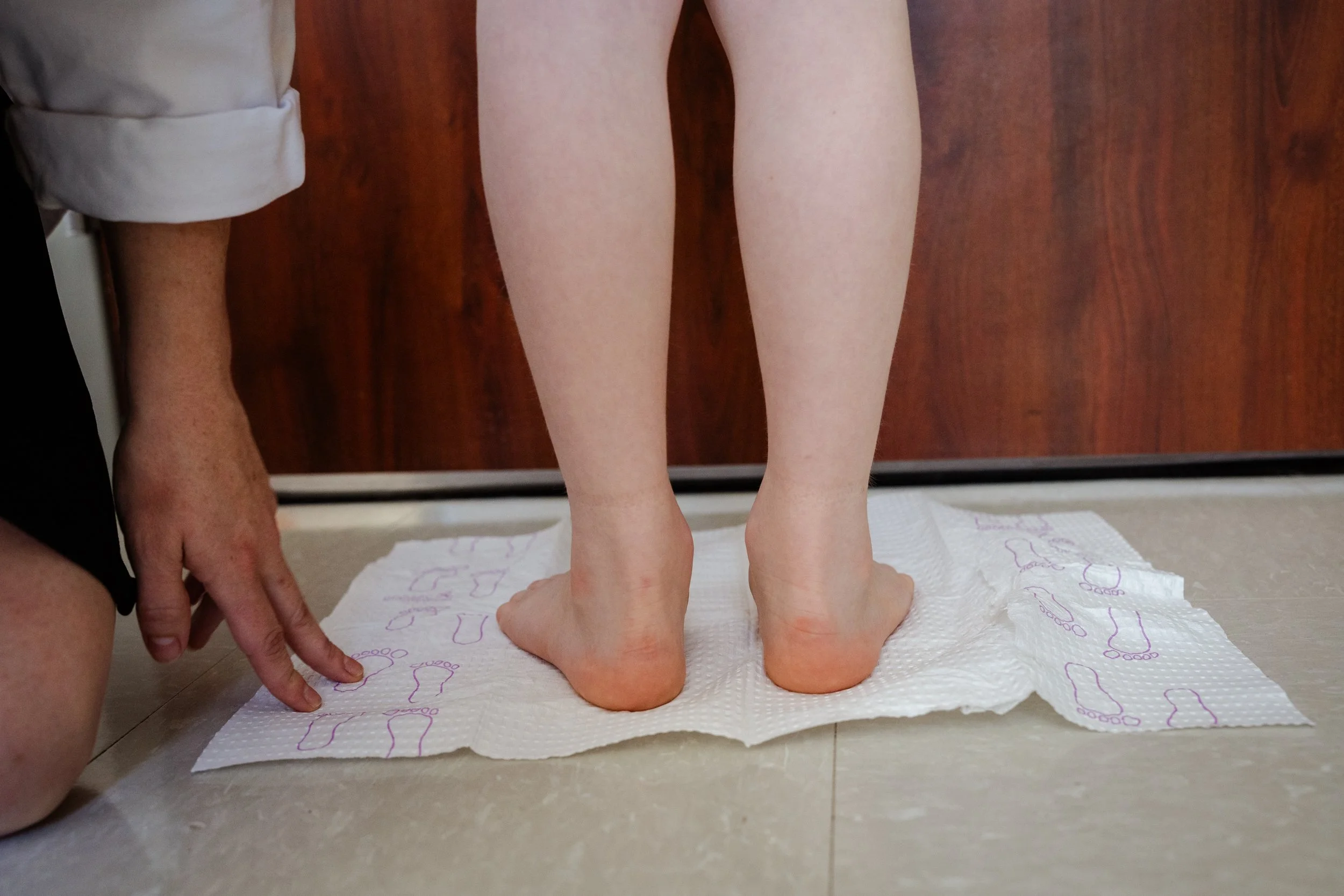
How do you know if you have flat feet? Diagnosis typically includes a comprehensive evaluation of foot structure and gait.
This may involve:
A physical examination of the foot and arch
Gait analysis while walking
Weight-bearing X-rays to evaluate alignment of the bones
Assessment of tendon function and flexibility
These evaluations help determine whether the flatfoot is flexible, structural, or progressive.
TREATMENT
Flat Feet
Conservative Treatment
Many patients with flat feet improve with conservative treatment aimed at supporting the arch and improving foot mechanics.
Common treatments include:
Custom or over-the-counter orthotic inserts
Stretching and strengthening exercises
Activity modification when symptoms flare
Bracing in certain cases
Custom orthotic insole for flat feet can help redistribute pressure across the foot and reduce strain on tendons and joints.
Additional Treatment Options
If symptoms persist despite conservative care, additional treatments may be recommended such as:
Physical therapy to strengthen supporting muscles
Immobilization with a walking boot during flare-ups
Anti-inflammatory medications when appropriate
These treatments aim to reduce inflammation and improve overall foot function.
Is Surgery Needed?
Most cases of flat feet can be managed without surgery.
However, surgery may be considered when:
Pain continues despite conservative treatment
The arch continues to collapse over time
Significant deformity or tendon damage is present
Surgical procedures may focus on reconstructing the arch, repairing damaged tendons, or correcting bone alignment.
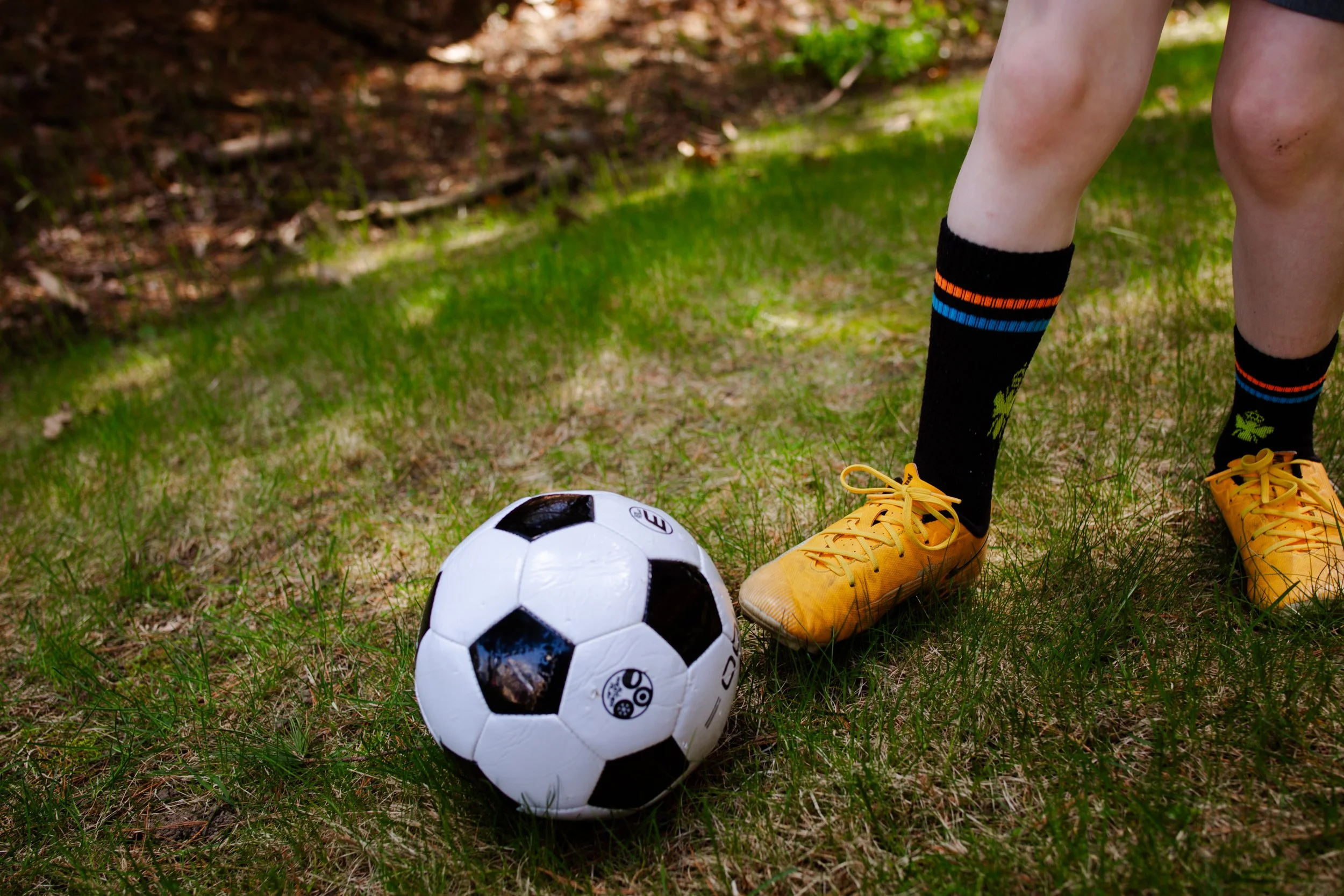
Many People with Flat Feet Live Active, Healthy Lives
Flat feet are common and often manageable with proper care and support.
If you or your child is experiencing foot pain, fatigue, or difficulty with activity, make an appointment!
Scientific Research
Custom-Made Foot Orthoses as Non-Specific Chronic Low Back Pain and Pronated Foot Treatment
This randomized trial showed that custom foot orthoses improved pain and functional outcomes in patients with pronated feet and chronic low back pain. The study highlights how correcting foot mechanics can influence symptoms higher up the kinetic chain. These findings support the role of custom orthotics in whole-body biomechanics.
This study used advanced 3D foot scanning to better understand the underlying bone structure of flat feet and found that traditional footprint analysis can miss important structural changes. In particular, decreased navicular bone height and altered bone alignment were identified as key features of flat feet, even when standard footprint tests appeared normal. The findings suggest that more detailed imaging methods may be necessary to accurately diagnose and assess flat feet.
The developmental anatomy of pes valgo planus
This classic paper explains that flat feet are often a normal developmental stage, particularly in children, and only become a medical concern when symptoms are present. It emphasizes that the absence of a visible arch does not necessarily indicate pathology. The study helped shape the modern understanding that many cases of flat feet do not require treatment.
A randomized controlled trial of custom foot orthoses for the treatment of plantar heel pain
This randomized, double-blind trial found that custom foot orthoses significantly improved pain and function in patients with plantar heel pain compared to sham insoles. Both custom and prefabricated orthotics were more effective than placebo, supporting the role of orthotic intervention in managing foot pain. The study demonstrates that orthotics — particularly when properly prescribed — can provide meaningful clinical benefit.
Custom-molded foot-orthosis intervention and multisegment medial foot kinematics during walking
This study showed that custom-molded orthoses significantly alter foot mechanics during walking, particularly in the medial arch and midfoot segments. These changes help control abnormal motion and improve alignment throughout the gait cycle. The findings provide a biomechanical explanation for how custom orthotics can reduce strain and improve function.