Athlete’s Foot
A Common Fungal Skin Infection
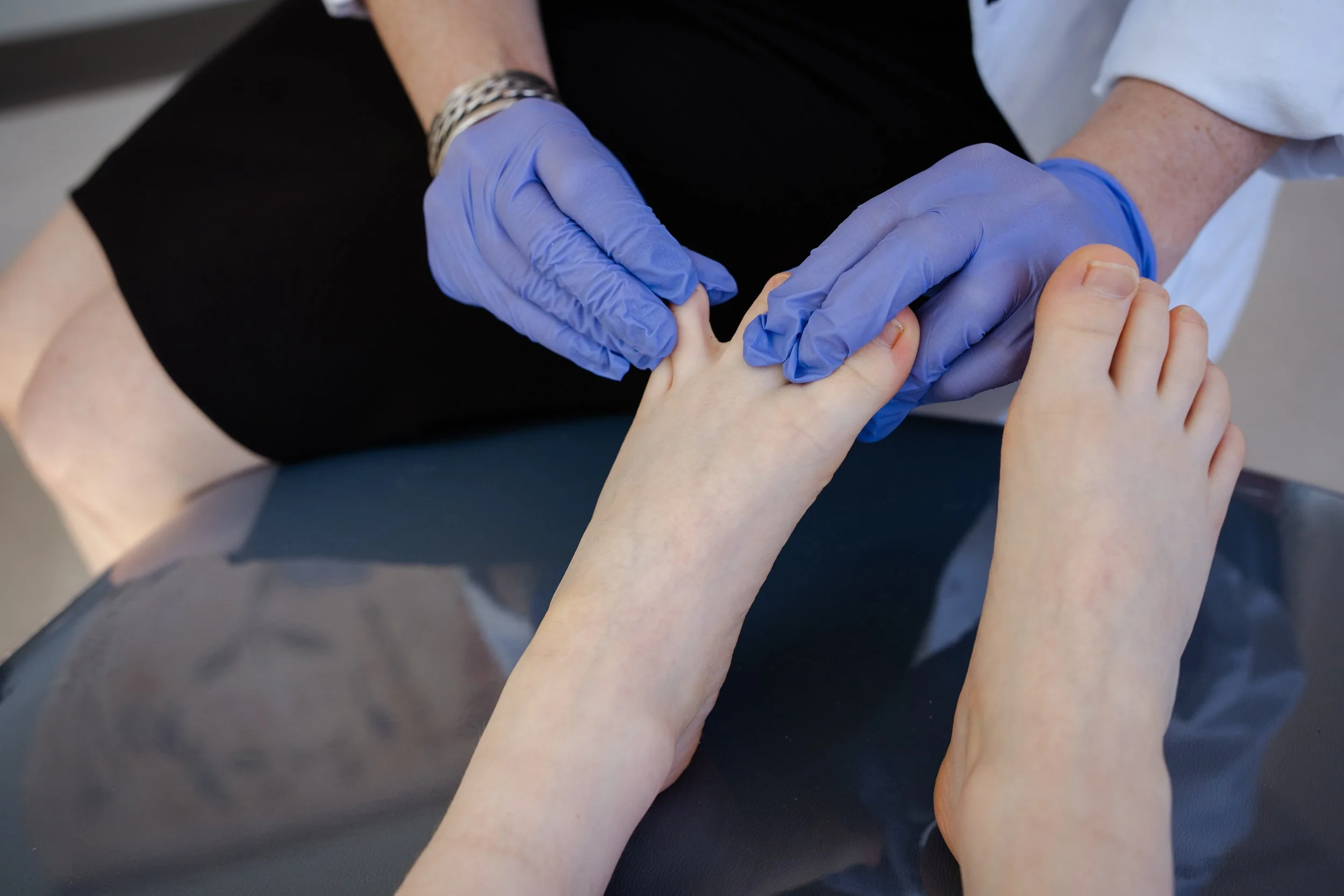
Athlete’s foot (tinea pedis) is a very common skin condition caused by fungus that lives on the surface of the skin.
The fungus feeds on keratin, the protein that makes up the outer layer of skin on your feet. Because the feet are often warm, dark, and moist, they create an ideal environment for fungal growth.
CAUSES
What Does Athlete’s Foot Look Like?
Athlete’s foot can appear in several ways, but the most common presentation includes:
Dry, scaly patches of skin
Circular or irregular areas of peeling skin
Itching or burning sensations
Cracked skin between the toes
In some patients, the infection spreads along the sides and bottom of the foot in what is known as a moccasin distribution. This pattern can cause diffuse dryness and scaling across the entire sole of the foot.
SYMPTOMS
Why Does Athlete’s Foot Develop?
Fungus thrives in warm, dark, moist environments.
Common risk factors include:
Sweaty feet
Tight or non-breathable shoes
Locker rooms or public showers
Wearing damp socks for prolonged periods
Because of these conditions, athlete’s foot is especially common among athletes, runners, and people who spend long hours in closed footwear.
TREATMENT
Athlete’s Foot
Treatment usually involves antifungal medications.
Options may include:
Topical antifungal creams or sprays
Foot soaks with antifungal ingredients
Prescription-strength topical medications
Oral antifungal medications in more persistent cases
Treatment works by eliminating the fungus and allowing healthy skin to regenerate.
Why Does Foot Fungus Keep Coming Back?
Fungus thrives in warm, damp environments like shoes, socks, locker rooms, and sweaty feet. Even after symptoms improve, fungal spores can remain in the environment and lead to recurrence.

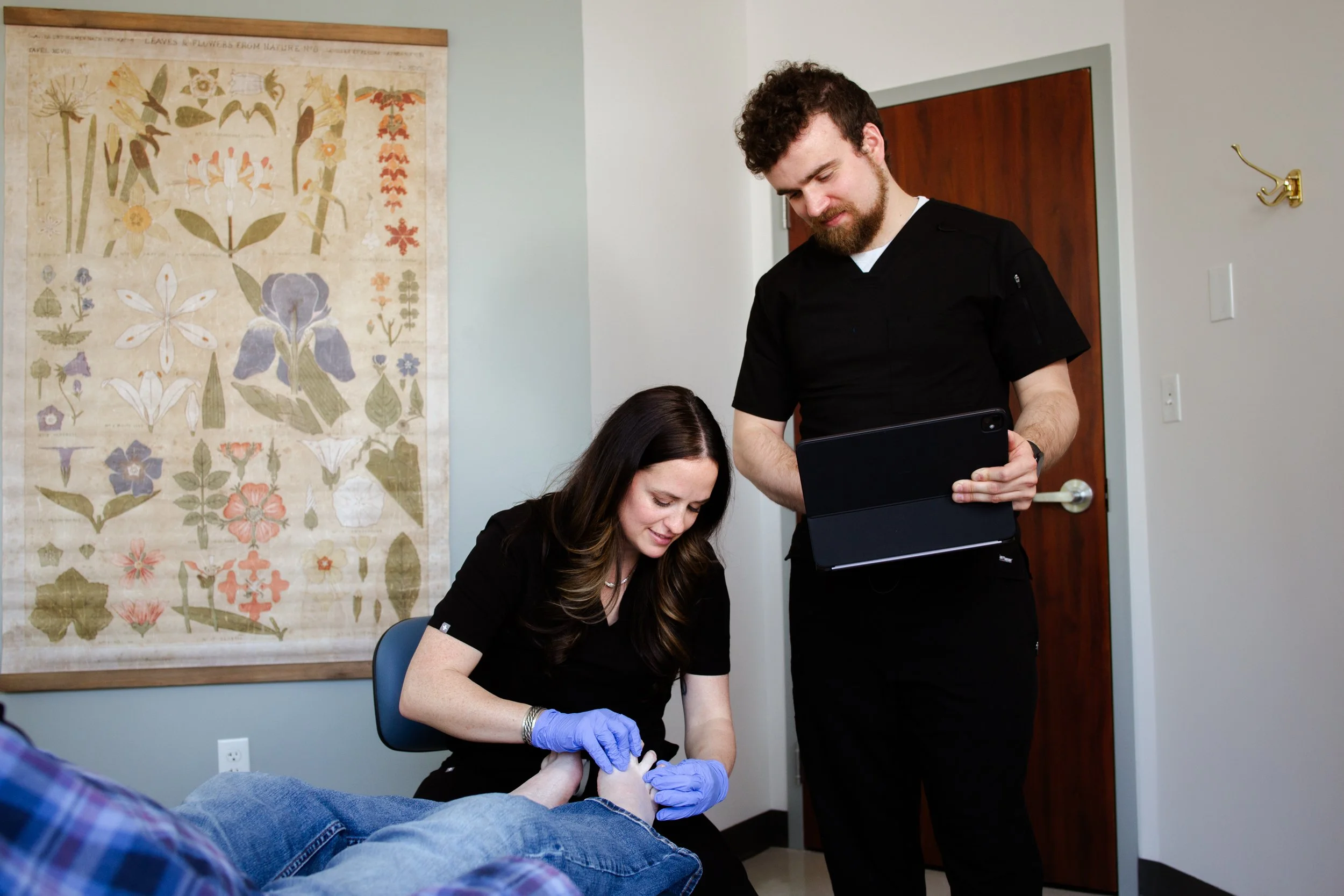
Don’t Ignore Persistent Foot Skin Changes
While athlete’s foot is common, not all scaling or itching on the foot is fungal. Conditions such as eczema, psoriasis, or bacterial infections can appear similar. If your skin condition is persistent or not improving with over-the-counter treatments, you should be evaluated by a podiatrist.
We frequently diagnose and treat skin conditions of the foot that are often mistaken for simple athlete’s foot.
“
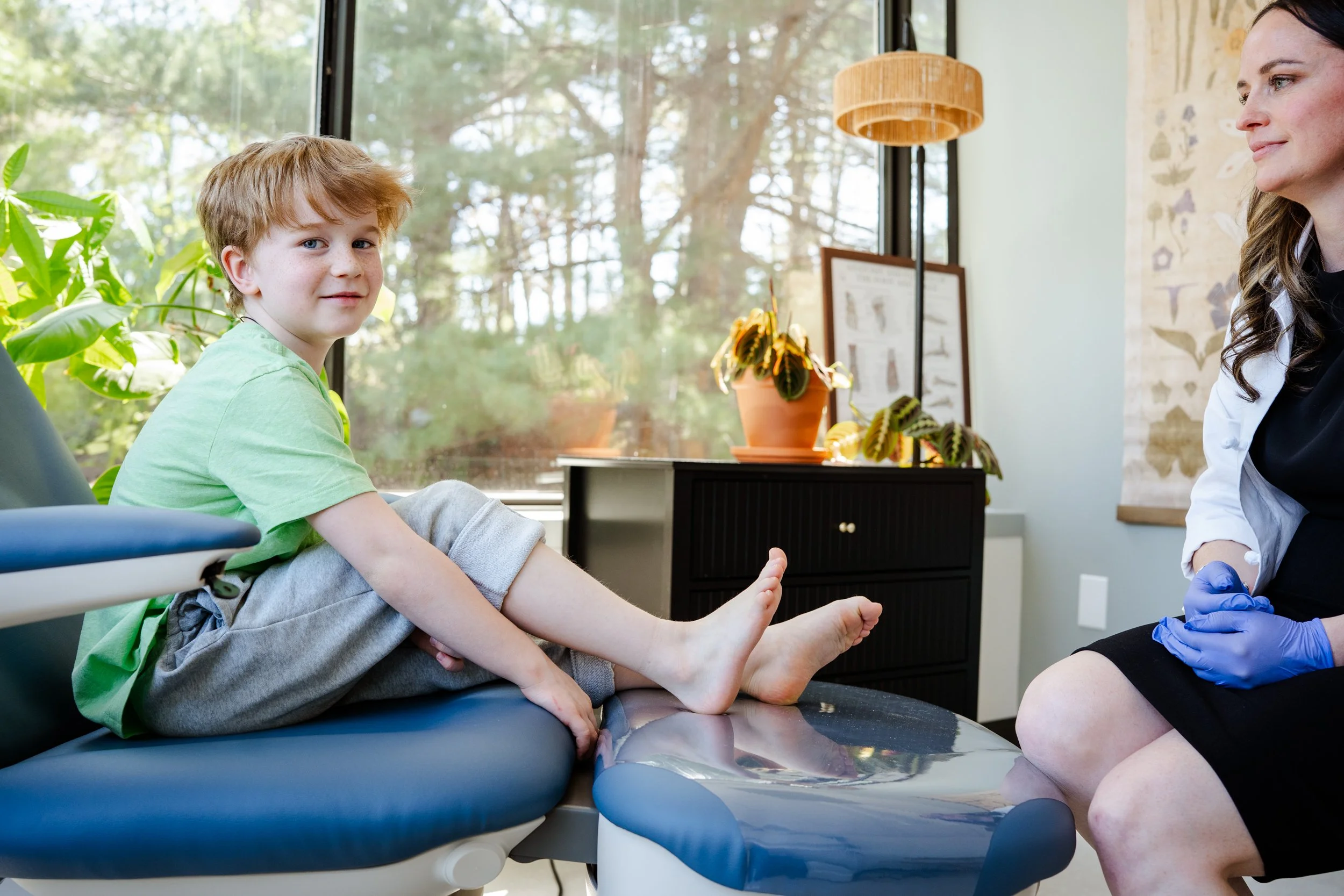
We took my 8 year old son here. We had an incredible experience. The Dr. was kind and spoke to my son about what was going on and explained each treatment option. She was kind, knowledgeable and ensured we understood each treatment option and chose what was a good fit for us. I would highly recommend this practice.
— SARAH
Scientific Research
Transmission of Onychomycosis and Dermatophytosis between Household Members: A Scoping Review
This review found that dermatophyte infections like tinea pedis can spread between household members through shared environments such as floors, towels, and footwear. It concluded that infection is primarily driven by contact and environmental exposure rather than genetics, with substantial evidence of household clustering.
A large population-based study of over 200,000 households showed measurable secondary transmission of dermatophyte infections within families, with about 8.5% of households experiencing at least one additional case. The findings support that reinfection often occurs months later due to persistent exposure to contaminated household environments rather than a single exposure event.
Transmission of Onychomycosis and Dermatophytosis between Household Members: A Scoping Review
This review highlighted that dermatophyte fungi can survive on moist communal surfaces such as locker room floors, swimming pool decks, and shared mats, even despite routine cleaning. It concluded that these environments act as ongoing reservoirs for infection, enabling repeated exposure for multiple individuals over time.