Ankle Fractures

An ankle fracture occurs when one or more bones that make up the ankle joint are broken or cracked.
Fractures can vary from small cracks to complete breaks and may involve one or more bones of the ankle. These injuries are common in sports, falls, accidents, or trauma and can cause significant pain and swelling.
SYMPTOMS
Common Symptoms of Ankle Fractures
Patients with an ankle fracture often experience:
Severe pain at the ankle joint, especially with movement or weight-bearing
Swelling, bruising, or discoloration around the ankle
Tenderness to touch
Difficulty walking or inability to bear weight
Visible deformity in more severe fractures
Prompt evaluation is important to prevent improper healing, chronic pain, or long-term instability.
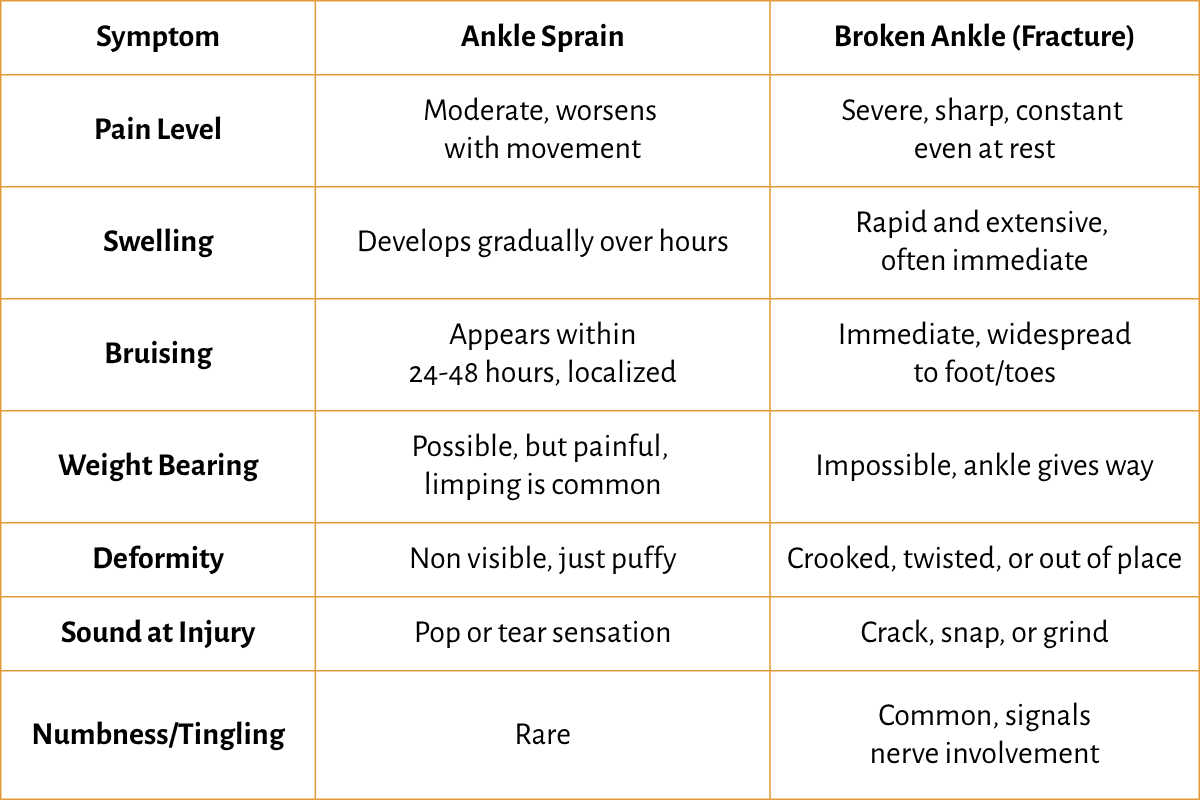
Broken Ankle vs Sprain Symptoms
How do you know if your symptoms are due to a fracture or a sprain?
DIAGNOSIS
Diagnosing Ankle Fractures
Diagnosis typically involves:
Physical examination to assess swelling, tenderness, and stability
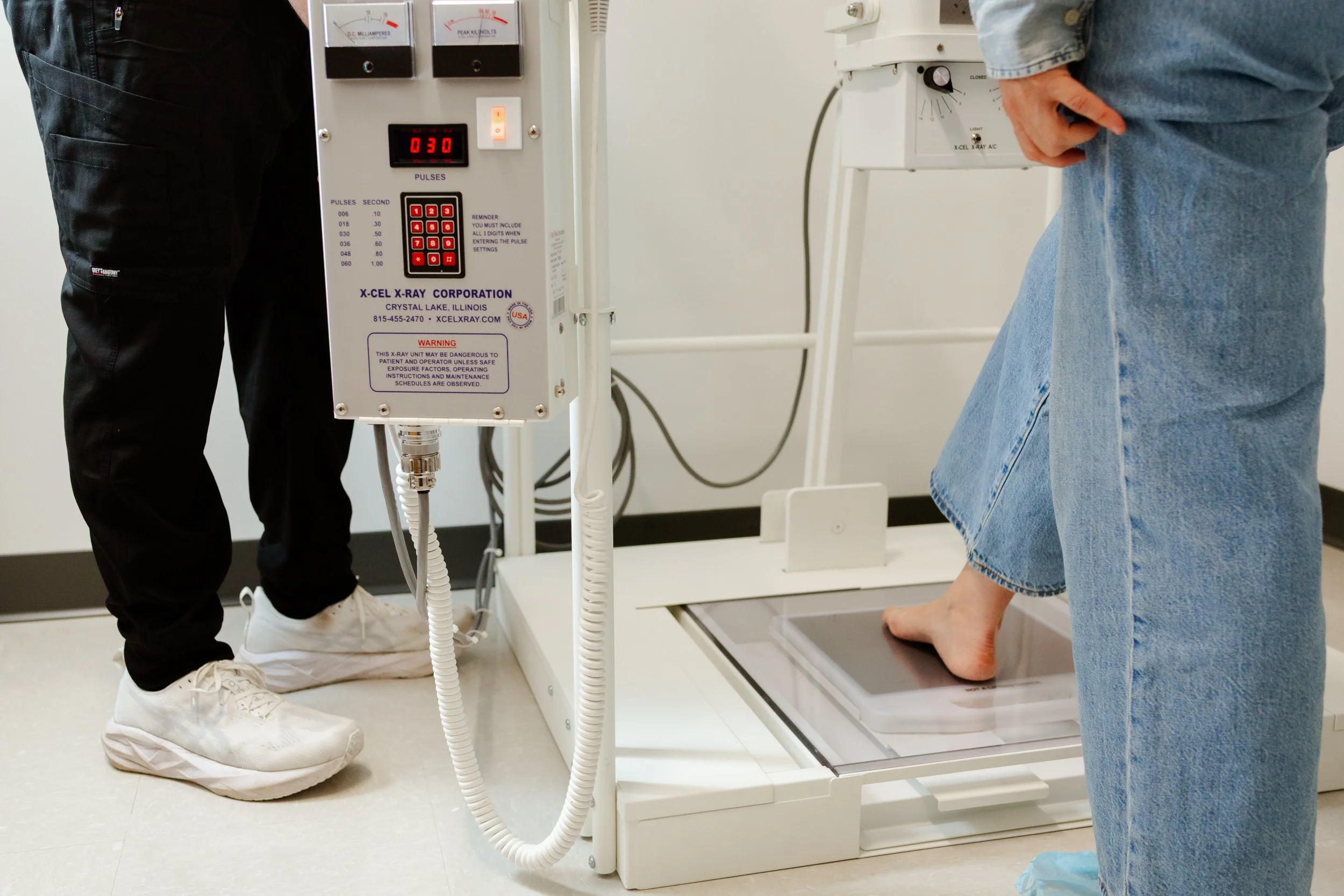
X-rays to determine the location and type of fracture
MRI or CT scans in some cases for complex or subtle fractures
Fractures are often classified as:
Non-displaced fractures – the bone remains aligned
Displaced fractures – the bone ends are misaligned or separated
Open fractures – the bone breaks through the skin, requiring urgent care
When to See an Expert
Ankle fractures require timely diagnosis and treatment to prevent long-term complications such as:
Chronic pain or stiffness
Instability or deformity
If you’re experiencing severe pain, inability to bear weight, visible deformity, numbness, or rapid swelling after a twist or fall, get it checked by a podiatrist immediately.
These symptoms could indicate a fracture needing X-ray confirmation and possible surgery. Even milder symptoms benefit from evaluation to rule out complications like ligament tears.
TREATMENT
Ankle Fractures
Conservative Treatment
Many ankle fractures heal well without surgery if the bones remain properly aligned.
Conservative treatments may include:
Immobilization with a cast or walking boot
Activity modification and rest to allow healing
Elevation and ice therapy to reduce swelling
Pain management with medications as needed
Recovery can take at least 4–6 weeks, and careful weight-bearing management is essential to ensure proper healing.
Is Surgery Needed?
Surgery may be necessary for an ankle fracture if:
The fracture is displaced or unstable
There is involvement of multiple bones or joints
The fracture is open or involves significant soft tissue injury
Surgical procedures may include internal fixation with plates, screws, or pins to realign and stabilize the bones.
After surgery, physical therapy or home exercises help restore strength, flexibility, and range of motion. Full recovery may take several months, depending on the severity of the injury.

“
Broke my Fibula in two places and rolled the other ankle.
Had surgery for the broken bone. Dr. Stark put a plate and nine screws in there and did a beautiful job.
4 weeks later I'm out of my boot and going to PT. My incision looks great.
— LEASA
Scientific Research
The Ankle Injury Management (AIM) trial compared surgery with close contact casting for unstable ankle fractures in patients over 60 and found that both approaches produced similar functional outcomes at six months. While some patients treated with casting eventually required surgery, overall results showed no significant advantage to routine surgical fixation. The study suggests that non-surgical treatment can be a viable and more cost-effective option for older adults with certain ankle fractures.
The management of syndesmotic screw in ankle fractures
This review examines how syndesmotic screws are managed after ankle fracture repair, focusing on whether they should be routinely removed or left in place. It found that many patients have similar outcomes regardless of screw removal, and routine removal may not be necessary unless the screw causes symptoms or restricts movement. Overall, the article highlights ongoing debate and suggests a more individualized approach to management rather than automatic removal.
This study describes a combined surgical approach for treating ankle fractures in patients with diabetes, using both internal fixation (plates and screws) and circular external fixation to improve stability. Because diabetic patients have a higher risk of poor healing and complications, the added external frame helps protect the repair and reduce stress on the injured ankle. The results suggest this combined method can improve outcomes in a high-risk group where standard fixation alone may fail.
Syndesmotic injury with ankle fracture: A systematic review of screw vs dynamic fixation
This systematic review compares traditional screw fixation with newer dynamic fixation methods (such as suture-button devices) for treating syndesmotic injuries associated with ankle fractures. It found that dynamic fixation may allow more natural ankle movement and reduce the need for hardware removal, while achieving similar or sometimes better functional outcomes compared to screws. However, the evidence remains mixed, and both techniques are considered effective, with the choice often depending on surgeon preference and patient factors.
In the News