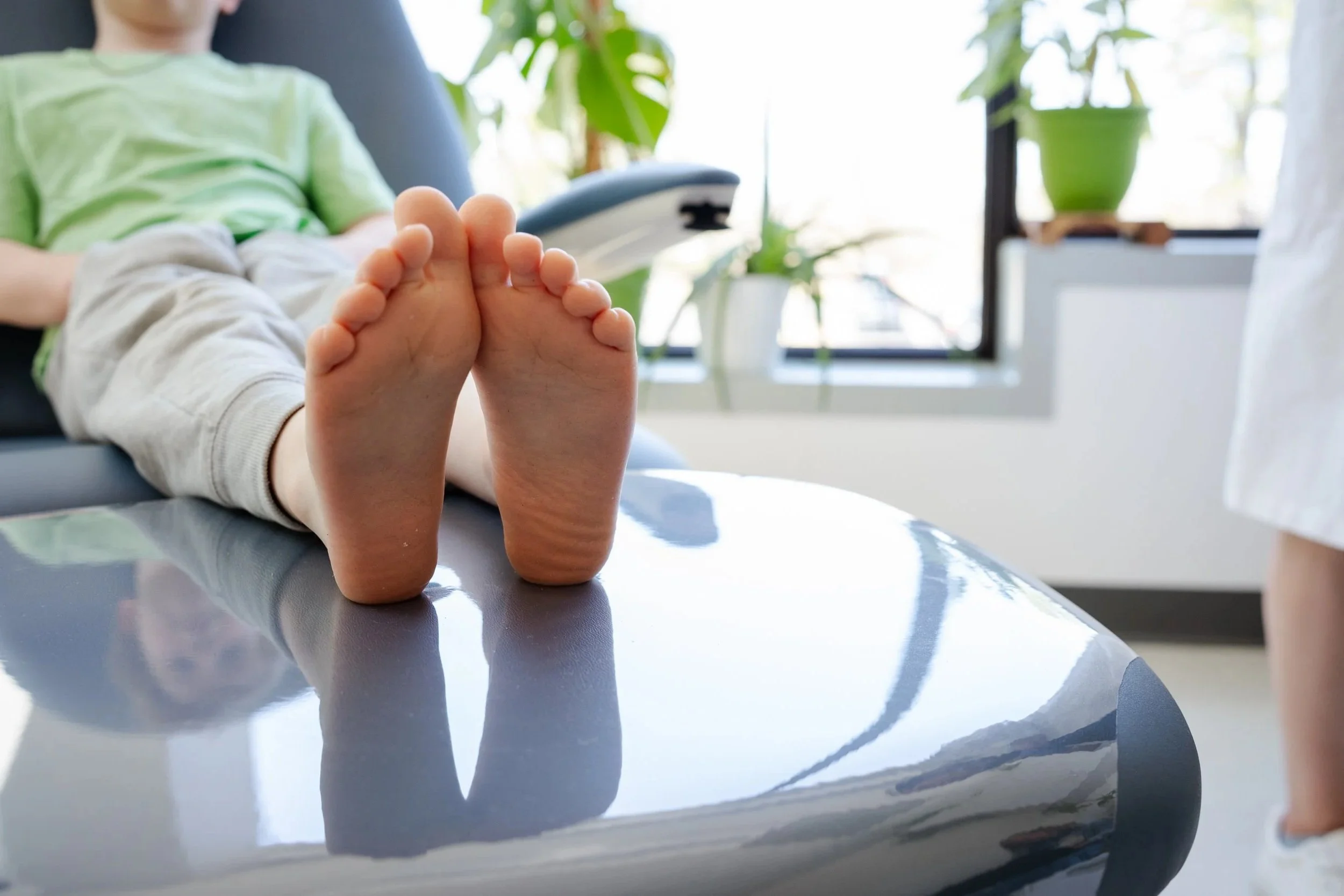
Sever’s Disease
Calcaneal Apophysitis
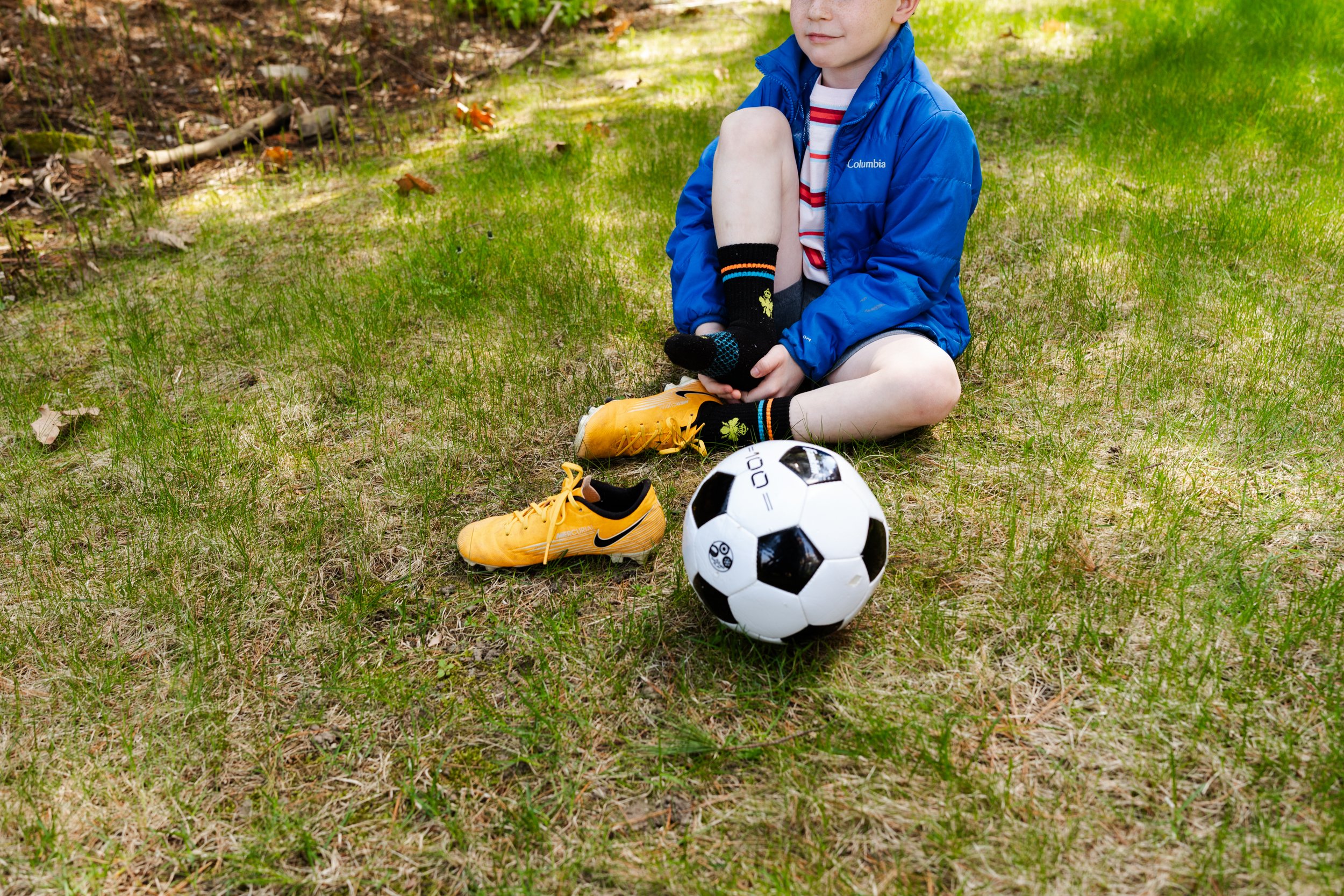
Sever’s disease, also known as calcaneal apophysitis, is one of the most common causes of heel pain in growing children.
It typically affects children between the ages of 8 and 15, especially those who are very physically active or experiencing a recent growth spurt.
CAUSES
What Causes Sever’s Disease?
The condition occurs when the growth plate in the heel bone (calcaneus) becomes irritated and inflamed. During periods of rapid growth, the bones can grow faster than the surrounding muscles and tendons, which places increased tension on the heel.
This repeated stress from running, jumping, and sports can lead to pain and inflammation in the heel’s growth plate.
SYMPTOMS
Symptoms of Sever’s Disease
Children with Sever’s disease usually develop pain at the back or bottom of the heel.
Parents and children commonly notice:
Heel pain during or after sports activities
Tenderness when the heel is squeezed
Limping or walking on the toes to avoid pressure on the heel
Stiffness or soreness after activity
Pain that improves with rest
Symptoms often occur in both heels, although one side may be more painful than the other.
DIAGNOSIS
Diagnosing Sever’s Disease
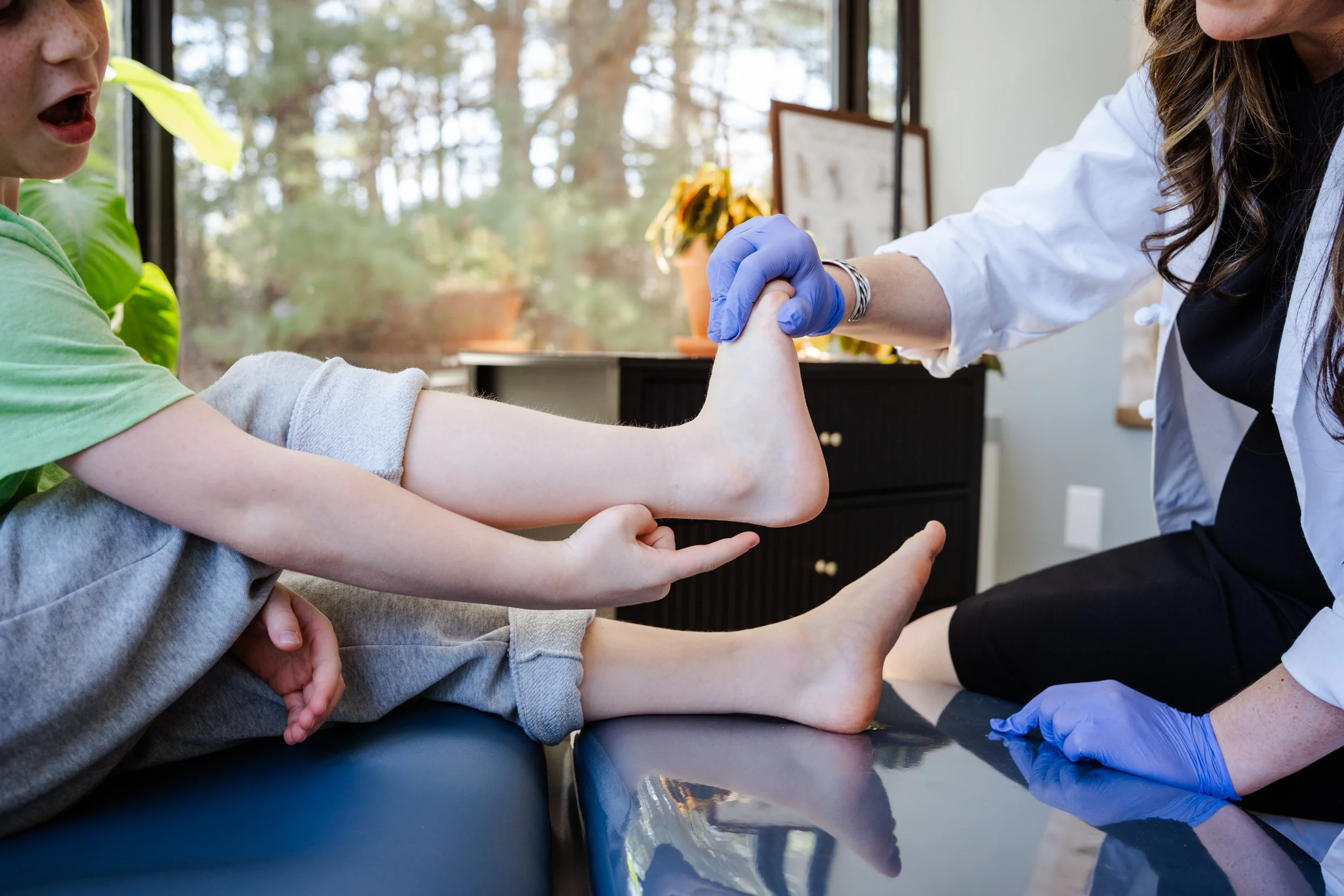
Diagnosis usually includes a detailed physical examination and review of symptoms.
Evaluation may include:
A physical exam of the heel and Achilles tendon
Squeezing the heel to reproduce symptoms
Weight-bearing X-rays
X-rays are often used to rule out other causes of heel pain, such as fractures or structural problems. In some cases, ultrasound imaging may be used to evaluate inflammation around the growth plate.
TREATMENT
Sever’s Disease
Conservative Treatment
The good news is that Sever’s disease is temporary and treatable. Treatment focuses on reducing stress on the heel while the growth plate heals.
Common treatments include:
Rest and activity modification
Ice therapy to reduce inflammation
Stretching exercises for the calf muscles and Achilles tendon
Supportive footwear or heel inserts
Short-term immobilization with a walking boot
Physical therapy to improve flexibility and strength
These treatments help reduce strain on the heel and allow the growth plate to recover.
Recurrence is Common
During Growth
Sever’s disease can sometimes recur during periods of growth, particularly when children return to sports or increase their activity level.
Fortunately, symptoms usually resolve once the heel growth plate finishes developing.
Heel Pain in Children Should Be Evaluated
Heel pain in children is common, but it should not be ignored.
Early evaluation by a podiatrist can help confirm the diagnosis and provide treatments that allow children to return to sports safely and comfortably.
If your child is experiencing persistent heel pain, limping, or difficulty with activity, call and make an appointment today.
“
The Dr was amazing. She explained everything clearly to my 12 yr old daughter. Check in process was a breeze. Assistant was very polite. We were taken in immediately. Would recommend.
— LAURA
Scientific Research
Custom-made orthotics significantly outperform heel lifts in reducing pain in children with Sever’s disease, likely due to improved biomechanical support and load distribution. In one randomized trial, children using custom-made orthoses experienced about a 68.6% reduction in pain and a 53% improvement in pressure tolerance, significantly greater than those treated with heel lifts.
Risk factors and associated factors for calcaneal apophysitis (Sever's disease): a systematic review
This study identifies risk factors including high activity levels, obesity, limited ankle dorsiflexion, and participation in running/jumping sports. It reinforces the role of early intervention to prevent prolonged symptoms.
This article positions Sever’s disease as the most common cause of heel pain in pediatric athletes. It stresses reassurance, education, and conservative care as the cornerstone of management.
In the News