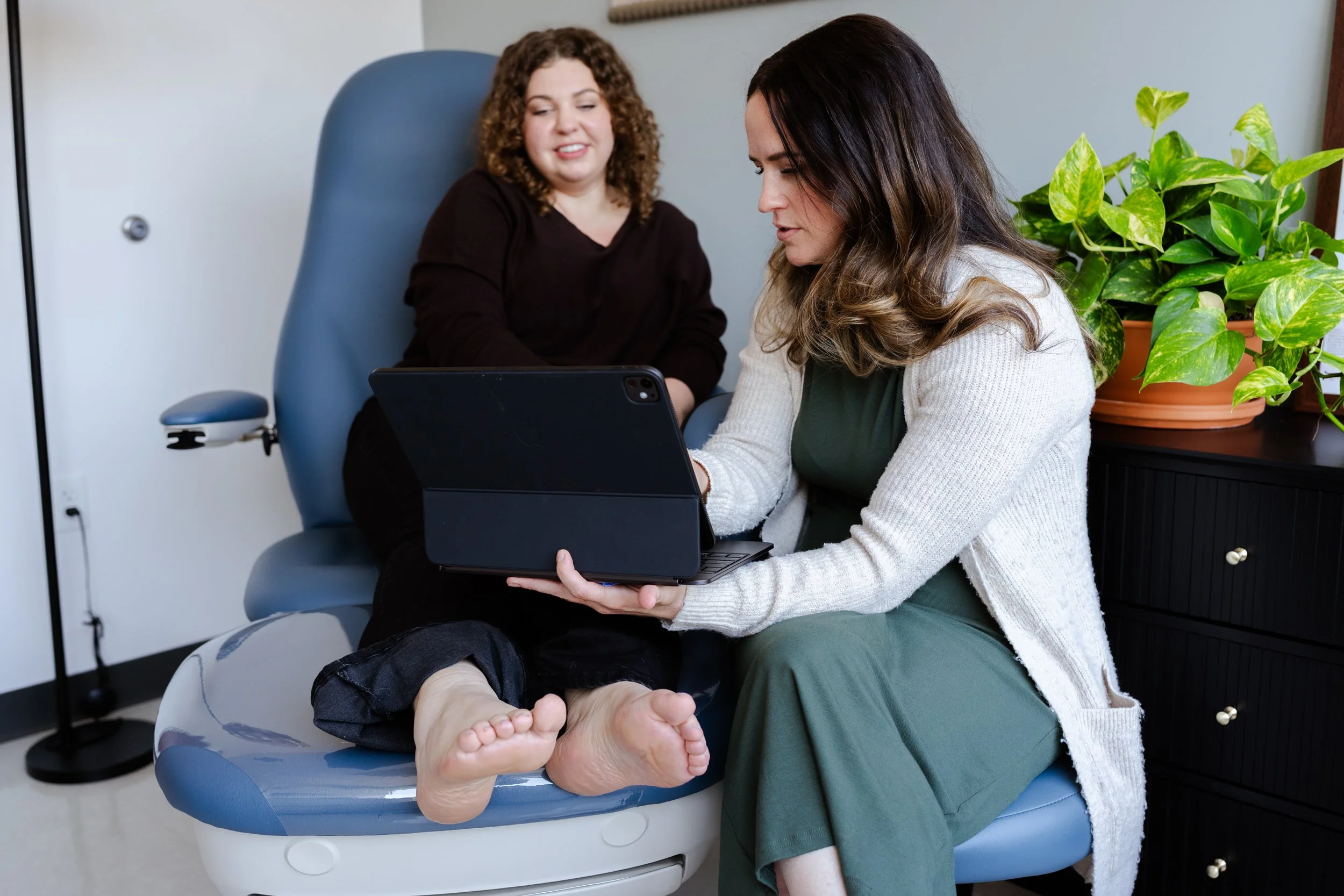
Foot Fractures + Sprains
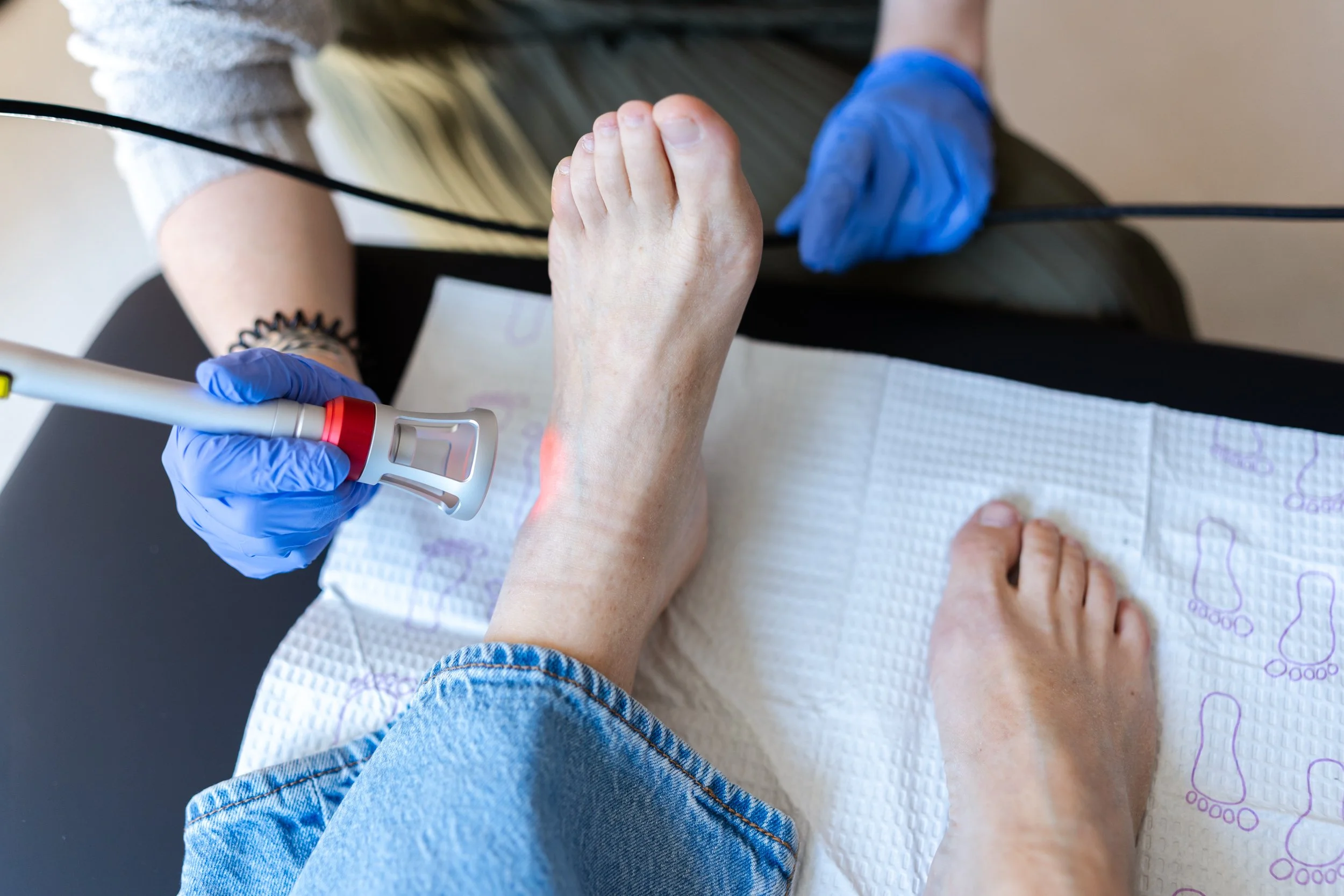
Foot fractures and sprains are common injuries that can cause pain, swelling, and difficulty walking. While fractures involve a break in one or more bones, sprains involve stretching or tearing of the ligaments that connect bones in the foot.
Both injuries can occur from trauma, sports, falls, or repetitive stress, and early diagnosis is important for proper healing and preventing long-term problems.
DIAGNOSIS
Understanding Foot Fractures
Understanding Foot Fractures
A foot fracture is a break in one or more bones of the foot. Fractures can be:
Non-displaced – the bone remains aligned
Displaced – the bone ends are misaligned or separated
Stress fractures – tiny cracks in the bone caused by repetitive stress or overuse
Common symptoms of a foot fracture include:
Sudden or persistent pain
Swelling and bruising
Tenderness when touching the injured area
Difficulty or inability to bear weight
Visible deformity in severe cases
Diagnosis often involves physical examination and imaging such as X-rays, MRI, or CT scans. Treatment depends on the type and severity of the fracture and may include immobilization with a cast or walking boot or surgery for displaced fractures.
Understanding Foot Sprains
A foot sprain occurs when the ligaments supporting the foot are stretched or torn. Sprains are most common in the ankle and midfoot, but they can affect any ligament in the foot.
Symptoms for foot sprains may include:
Pain and tenderness around the affected joint
Swelling and bruising
Instability or difficulty walking
Limited range of motion
Sprains are usually diagnosed through a physical exam, and imaging may be used to rule out fractures. Mild sprains often heal with rest, ice, compression, and elevation (RICE), while more severe sprains may require physical therapy or bracing.
TREATMENT
Foot Fractures + Sprains
Conservative Treatment
Treatment depends on the type and severity of the injury:
Conservative management often includes:
Rest and activity modification
Ice and elevation to reduce swelling
Supportive footwear or walking boot
Physical therapy to restore strength and mobility
Surgical treatment may be necessary if:
Bones are displaced or unstable
Ligaments are completely torn
Injuries do not heal properly with conservative care
How Long Do Foot Fractures Take to Heal?
Recovery times vary but generally range from 4–8 weeks for minor fractures or sprains to several months for more severe injuries.
Preventing Foot Injuries
Foot fractures and sprains can often be prevented by:
Wearing supportive, properly fitted shoes
Strengthening foot and ankle muscles
Using protective gear during sports
Practicing balance and coordination exercises
Early evaluation and treatment are essential for proper healing, restoring function, and preventing chronic pain or deformity.

When to Make an Appointment?
You should seek professional care if you experience:
Severe pain, swelling, or bruising after trauma
Inability to bear weight on the foot
Visible deformity or misalignment
Persistent pain that does not improve with rest
We can perform a thorough examination, order appropriate imaging, and develop a personalized treatment plan to help you recover safely and effectively.

“
Dr. Stark was very informative and helpful. She was caring and straight about my condition and what I needed to do. Recommend highly.
— DONALD
Scientific Research
Fifth Metatarsal Jones Fractures in the Athlete
Jones fractures are a common injury of the fifth metatarsal, especially in athletes, often causing pain along the outer foot and requiring careful diagnosis with X-rays or advanced imaging. This review highlights that surgical treatment, particularly intramedullary screw fixation, is the preferred approach, offering faster healing and a quicker return to sports compared to non-surgical methods. Overall, early intervention and proper management are key to achieving high success rates and minimizing complications in Jones fracture recovery.
Nutritional Aspects of Bone Health and Fracture Healing
This review highlights nutrition's critical role in both preventing fractures and speeding bone repair. A balanced diet with adequate protein, energy, calcium, vitamin D, vitamin C, lysine, proline, and B6 supports collagen formation and mineralization, key steps in healing. One study it cites showed patients taking these micronutrients healed tibial fractures in 14 weeks versus 17 weeks for placebo.
This 2022 systematic review examined prospective clinical trials on vitamin D supplementation specifically for fracture healing. It found that while vitamin D deficiency is common and animal studies show benefits, human trials (including RCTs) do not demonstrate a clear effect on accelerating union rates, radiological healing, or clinical outcomes when supplementing adults with fractures
In the News